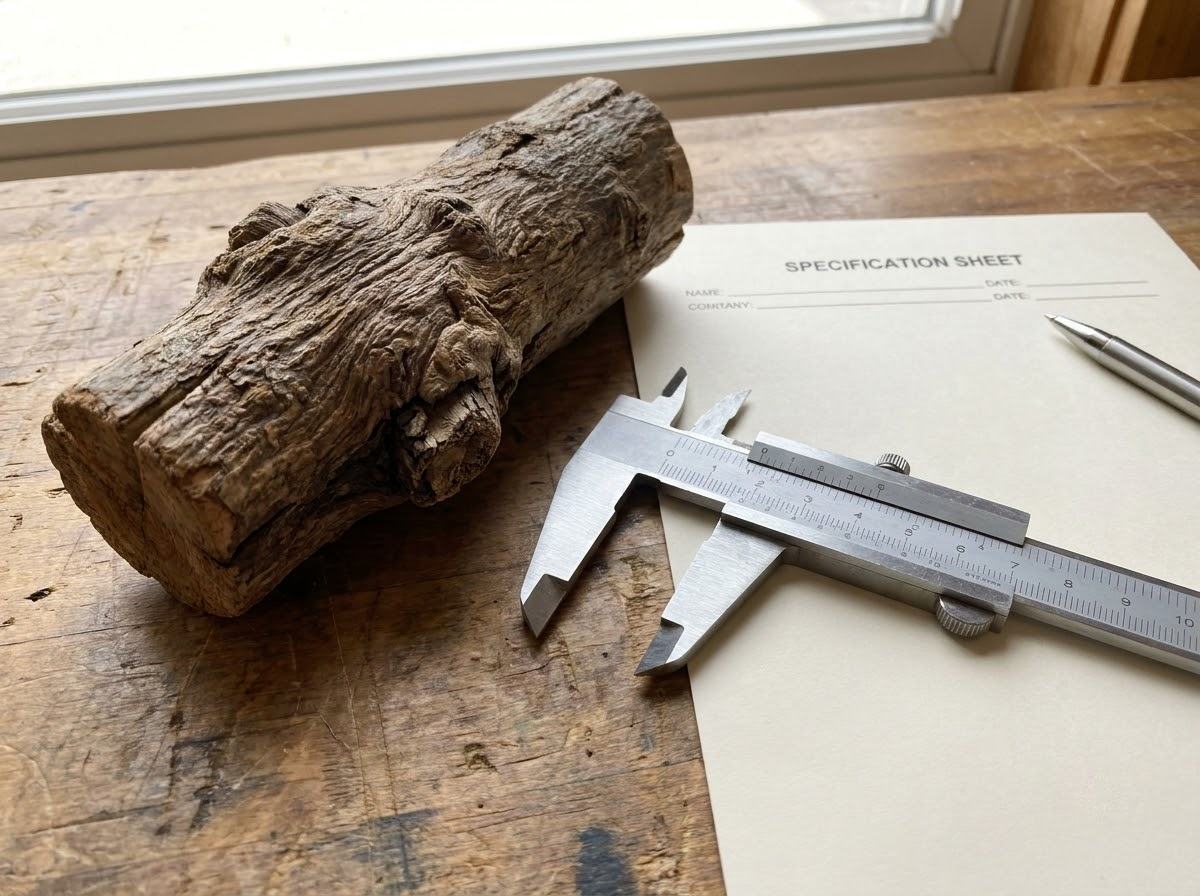
Length and diameter help narrow a choice, but they cannot establish tooth safety, chewing behavior, or product condition.
Measurements describe shape, not the dog
A 20 cm long chew has a measurable length, but that number cannot tell you how a particular dog will grip or bite it. Mouth shape and chewing style vary between individuals.
Compare the catalog's six size ranges with the actual dog under supervision. If the piece can be swallowed or held too far back in the mouth, reconsider the choice.
Measurements do not describe condition
Two chews with the same dimensions may differ in visible wear after use. A crack, sharp edge, or loose fragment matters more than the original size label.
Check before and after every session. Retire an item that is damaged or has become small enough to swallow even if it originally fit well.
Measurements are not test results
The catalog does not provide a dental hardness rating, digestibility study, moisture test, or safety certification for this product. Do not convert a size range into any of those claims.
Buyers needing processing or testing evidence should request current documents for the intended market. A product page alone cannot answer a regulatory question.
Ask the next useful question
Pet owners can ask whether their dog has dental sensitivity or a history of swallowing objects. A veterinarian can help assess those individual concerns.
Wholesale buyers can request tolerances, sample lots, inspection criteria, and current documentation. The dimensions are the start of a specification conversation, not its conclusion.
A misleading size-chart example
Suppose two dogs have similar weights and both are offered the same catalog size. One holds the stick at the front of its mouth and gnaws slowly; the other tries to split it and swallow a piece. The product dimensions are identical, but the suitability decision is different.
A second example is an intact chew that fit well when new and is now much shorter. The original size label still says L, but it no longer describes the current object. Reassess the remaining piece rather than relying on its starting measurement.
Create an evidence boundary
Write three columns: the catalog tells us length and diameter; observation tells us grip, behavior, and damage; a professional or current document may answer dental, processing, or regulatory questions. Place each claim in its proper column.
This boundary keeps a size guide useful without asking it to answer everything. If a seller advertises a hardness score, treatment method, or safety certification, request the specific evidence. A number on a ruler cannot verify those statements.
What a specification can add
A more complete supplier specification might define material, allowed size variation, surface inspection criteria, and packaging. Ask whether those fields exist for the current product. Do not assume a length range contains them implicitly. A buyer who needs a particular processing or testing record must request it by name and verify that it applies to the supplied item.
For a pet owner, the missing information is different: the dog may have dental disease, a history of swallowing pieces, or a chewing style that splits hard objects. A seller's measurement sheet cannot diagnose those concerns. This is why a physical size decision and a veterinary suitability decision belong in separate conversations.
A three-step question sequence
First ask what can be measured: current length, diameter, and visible wear. Second ask what can be observed: grip, chewing pattern, signs of discomfort, and whether pieces separate. Third ask what needs outside evidence: manufacturing process, test result, regulatory status, or an individual dental assessment. Do not substitute one answer for another.
Consider a chew that measures within the L range but has a deep new crack. The measurement is valid, yet the use decision is to retire it. Consider an intact L chew offered to a dog with tooth pain. The catalog dimension remains valid, yet the owner should ask a veterinarian before offering it. These examples show the precise limits of size data.
Frequently asked questions
Can I choose by dog weight alone?
No. Assess the individual dog's mouth, behavior, and dental condition alongside the listed dimensions.
Do six sizes mean six tested safety ratings?
No such ratings are documented in the product information.

Coffee Wood Chew Stick
Dense coffee wood chew made from branches collected during routine pruning in Vietnam's Central Highlands. Available in six sizes for supervised chewing.
Ask for current availability, packaging options, and a written quote.
Have Questions or Need a Wholesale Quote?
We export high-quality, pet-friendly coffee wood chews and natural toys worldwide.
Partner with us!
✨ Wholesale Pricing Available for Resellers & Business Partners!
We offer competitive wholesale prices and attractive deals for resellers and distributors.
💬 Feel free to message me directly to discuss pricing, partnership opportunities, and further details. Let's grow our businesses together! 🤝