Material transparency

Natural Pet Toy Materials Guide

Eco Pet Toys lists five primary material groups: coffee wood, dense contoured hardwood, coconut coir, dried loofah, and cuttlebone. This guide explains where each appears in the catalog, what buyers can verify on the site, and what documentation to request.

Compare catalog materials

Coffee wood pet product material

Coffee wood

Coffee wood in this catalog is branch wood collected during routine pruning in Vietnam's Central Highlands.

Products using this material

Before ordering: Ask for the current material specification, processing details, treatment information, and market-specific test documents.
Dense contoured hardwood pet product material

Dense contoured hardwood

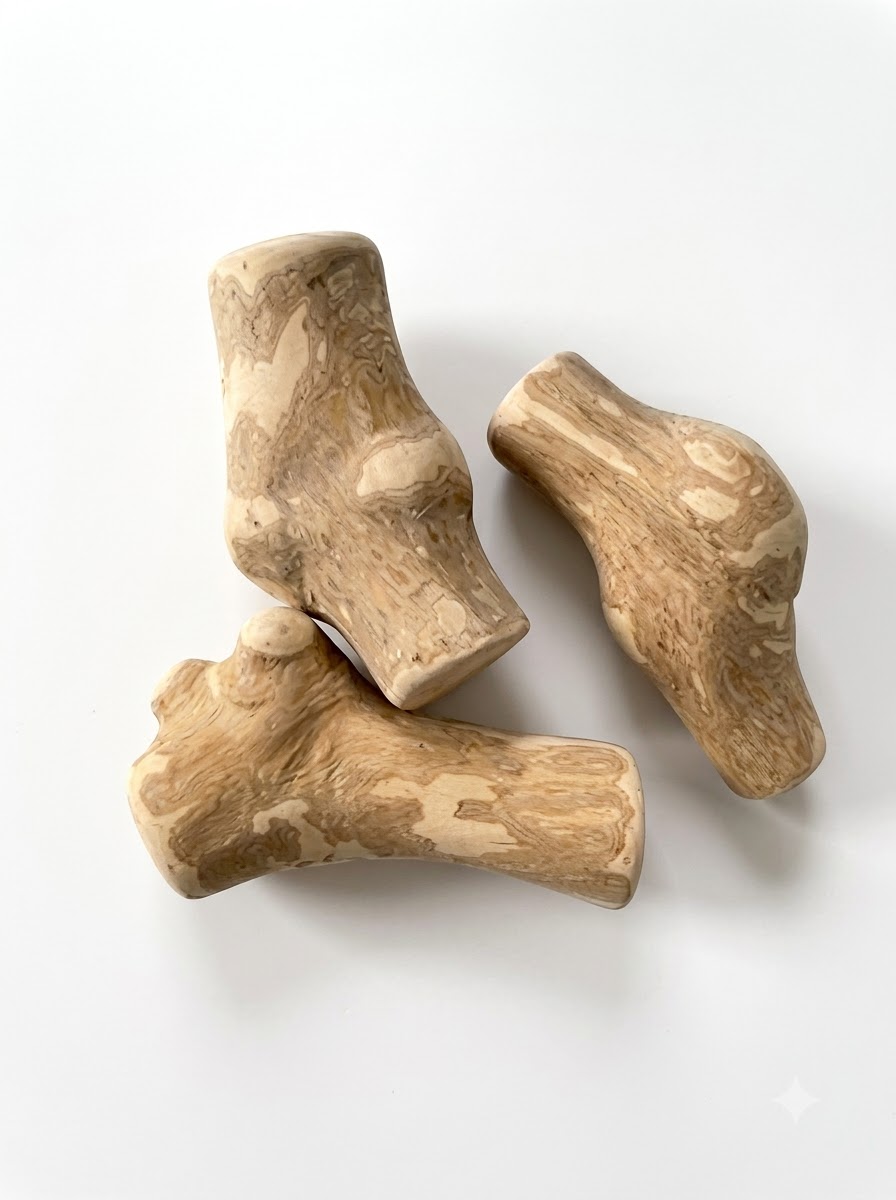
The company catalog describes Gorilla Wood Chew as dense, hard, contoured wood with minimal processing.

Products using this material

Before ordering: Natural hardness and shape vary. Confirm species, source, processing, dimensions, and replacement guidance before ordering.

Coconut coir pet product material

Coconut coir

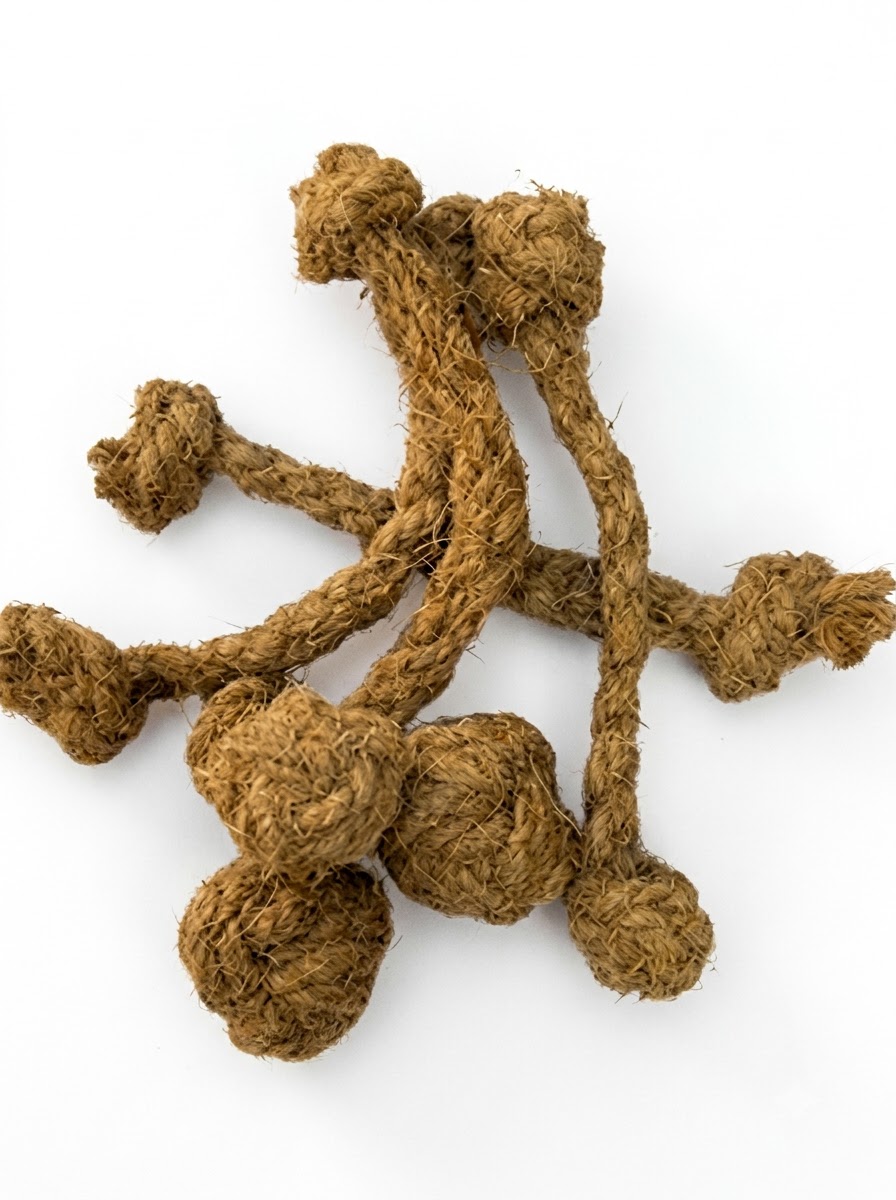
Coconut coir is fiber from coconut husks. The catalog uses it in a woven ball and a braided rope toy.

Products using this material

Before ordering: Confirm the current construction and processing specification. Fiber toys require supervision and replacement when they loosen or fray.

Dried loofah pet product material

Dried loofah

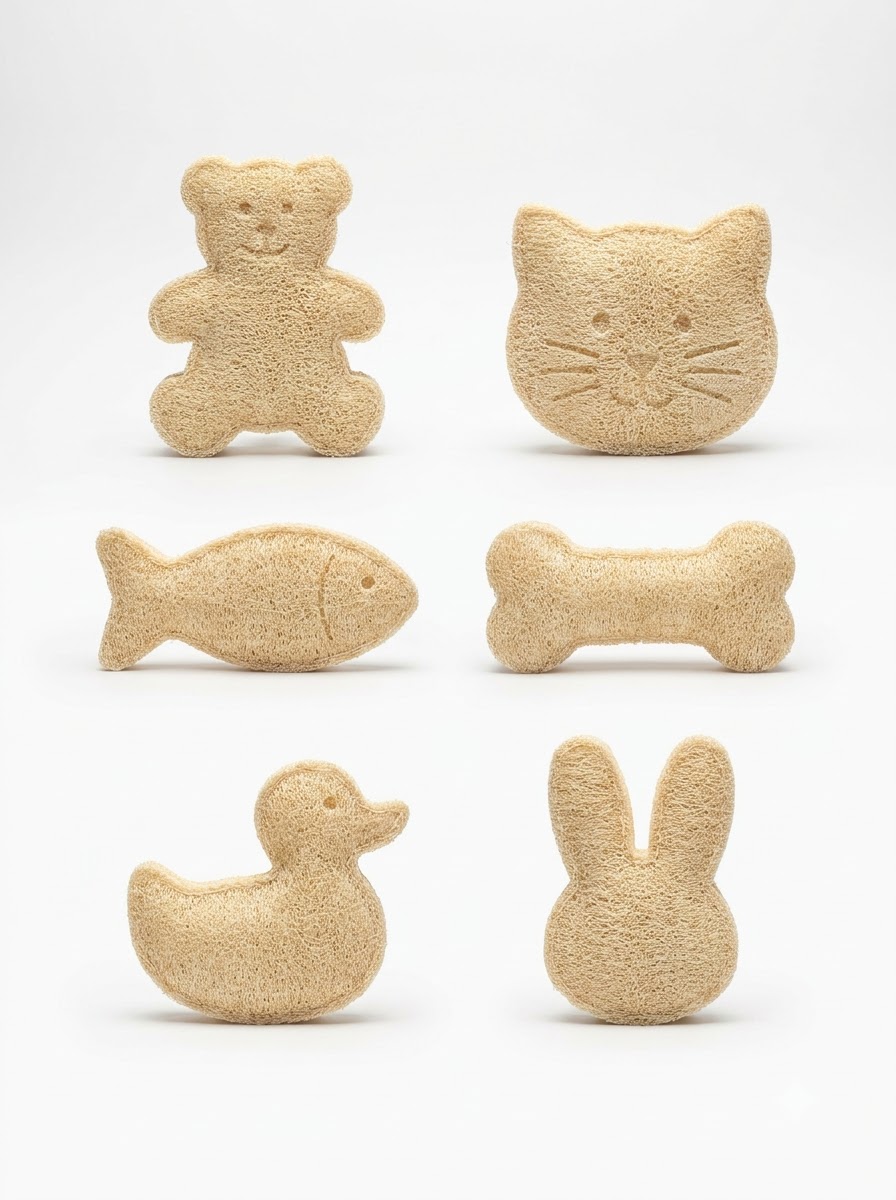
Loofah is the dried fibrous interior of the Luffa gourd. The catalog shows six lightweight animal shapes.

Products using this material

Before ordering: Treat loofah products as toys rather than food. Confirm species and size suitability, supervise use, and remove loose pieces.

Cuttlebone pet product material

Cuttlebone

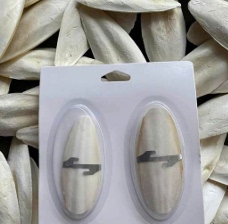
Cuttlebone is the internal shell of a cuttlefish and is commonly offered as a calcium source and gnawing surface for suitable birds.

Products using this material

Before ordering: Dietary needs differ by species and health status. Ask an avian or exotic-animal veterinarian about appropriate use.

Claims need context

What “natural” does and does not tell you

“Natural” identifies a material source, but it does not prove that a product is risk-free, compostable in every setting, free from every treatment, or suitable for every animal. Evaluate the complete product: dimensions, construction, processing, intended species, supervision, care, and replacement instructions.

Next step

Browse by use or pet type

Move from material research to focused product collections and detailed specifications.

Browse Collections