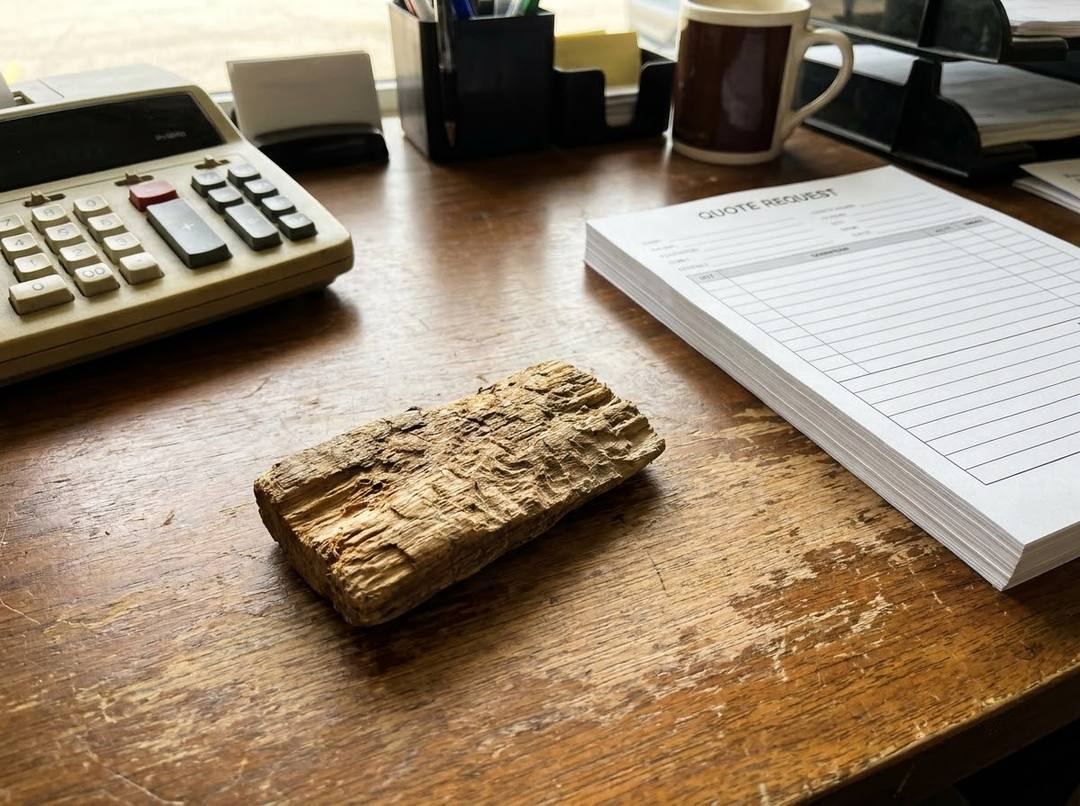
Compare like-for-like specifications, packaging, shipment terms, and document scope before judging a quote.
Align the product line
List the exact coffee wood chew size or sizes in each quote. The site shows XS through XXL, with different published length and diameter ranges.
A low unit figure is not comparable if it describes a different size, quantity, or packaging format. Ask each supplier to identify the current specification attached to the price.
Separate commercial fields
Record currency, unit price, quantity basis, minimum order if applicable, payment terms, and quote validity. None of those current wholesale terms is verified in this site's public data.
Also request written lead time and availability. Do not carry terms from a prior order into a new comparison without reconfirmation.
Compare what delivery includes
Ask which packaging, transport, customs, insurance, and destination charges are included or excluded. A named shipping term needs a precise place and agreed responsibilities.
When two quotes use different delivery terms, convert them to a common comparison with your logistics advisor. Avoid treating a unit price as the landed cost.
Account for evidence and service
List required specifications, samples, tests, and documents beside each quote. A missing document may be more consequential than a small price difference.
Make your decision on the complete written offer and ask for clarification on unclear fields. The site can open an inquiry, but it cannot confirm a current commercial quote on its own.
A like-for-like comparison example
Suppose Quote A covers size M in plain units and Quote B covers size L with retail packaging. Their unit prices cannot be ranked until you align size, count, packaging, currency, and delivery scope. Put those details in columns before calculating totals.
If one offer includes transport to a named destination and the other stops at the supplier's premises, ask for the missing logistics cost and responsibilities. Do not publish either number as a current wholesale price on the site unless the business confirms it for the relevant terms.
Build the quote matrix
Use columns for date, supplier, item and size, quantity basis, unit price and currency, packaging, sample status, delivery term and named place, lead time, payment terms, and document scope. Put 'not supplied' in an empty field.
Send the incomplete rows back as questions. The matrix reveals whether a quote is ready for a decision or merely an opening proposal. A clear comparison also makes it easier to negotiate one variable at a time without confusing a packaging change with a price change.
Do not confuse unit and total cost
A quote can show a lower unit price but require a larger quantity, more expensive packaging, or a delivery arrangement that adds substantial downstream expense. Multiply the quoted quantity and unit price, then list packaging, samples, transport, and known destination costs in separate rows. If a cost is unknown, leave it unknown rather than inserting an invented estimate.
A buyer can ask a logistics advisor to help normalize delivery terms. The purpose of the matrix is to expose assumptions, not to create a universal landed-cost formula. An offer may also differ in documentation scope, which can matter more than a narrow price difference in a regulated or retailer-controlled channel.
Document the decision criteria
Before comparing offers, write down which product dimensions and condition criteria are mandatory, which documents are required, and what delivery date range is acceptable. Apply the same criteria to each quote. This prevents a persuasive price line from changing the specification silently.
After comparison, send each supplier a short list of unresolved points. Keep the dated revision because a quote can expire or change with quantity and packaging. Once the buyer has a complete written offer, the next step is sample and document review, not assuming that a spreadsheet alone verifies the finished product.
At the end of comparison, highlight the fields that drive the decision rather than only the lowest number. For example, an offer with complete specification and document scope may be more useful for a particular retail channel than one with unanswered questions. Record why the selected offer meets the buyer's criteria. This decision note supports a later review if terms change.
Frequently asked questions
Is the listed $2.00 a wholesale quote?
No. It is a displayed reference retail price; request written wholesale terms.
Which quote fields should match?
Compare the same size, quantity, packaging, delivery scope, and document requirements.

Coffee Wood Chew Stick
Dense coffee wood chew made from branches collected during routine pruning in Vietnam's Central Highlands. Available in six sizes for supervised chewing.
Ask for current availability, packaging options, and a written quote.
Have Questions or Need a Wholesale Quote?
We export high-quality, pet-friendly coffee wood chews and natural toys worldwide.
Partner with us!
✨ Wholesale Pricing Available for Resellers & Business Partners!
We offer competitive wholesale prices and attractive deals for resellers and distributors.
💬 Feel free to message me directly to discuss pricing, partnership opportunities, and further details. Let's grow our businesses together! 🤝