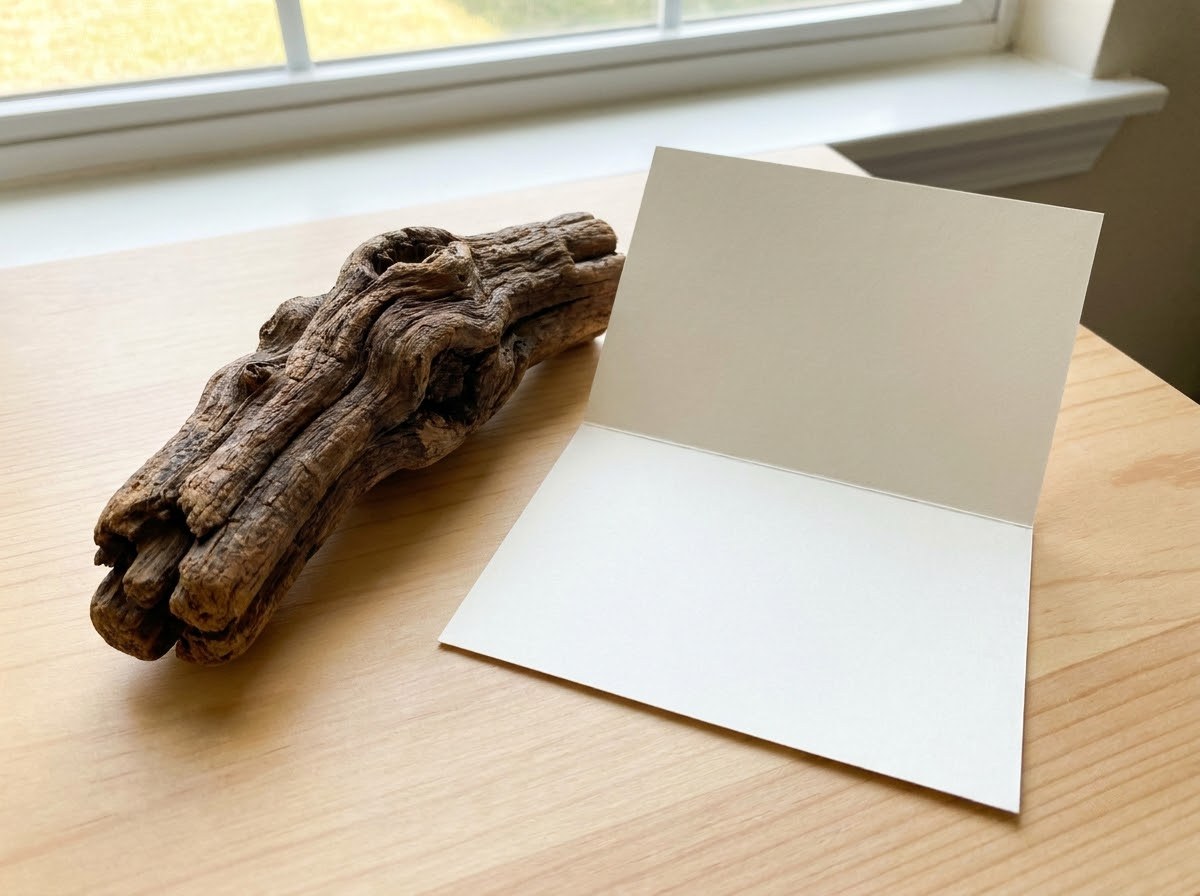
A short care card should help an owner make the next safe decision: choose, supervise, inspect, remove, and ask for help when needed.
Keep the card task-focused
Start with the product name and material. Say that a coffee wood chew is a toy for supervised chewing, not food. A care card has little room, so put the most important action before a long brand story.
List the size shown on the package and direct owners to the published dimensions. Do not promise suitability by breed or age; the individual dog's mouth, chewing style, and dental condition matter.
Describe inspection in plain words
Tell the owner to check the chew before and after each session. Remove it if it cracks, develops sharp edges, or becomes small enough to swallow. These are observable conditions rather than arbitrary calendar-based replacement dates.
If the product becomes damp after use, allow it to dry in a clean, ventilated place. Avoid adding a precise moisture target or sterilization method unless the business has validated and documented it for this product.
Give a clear escalation route
If a dog swallows a piece or shows a worrying symptom, direct the owner to a qualified veterinarian. A customer service email can help with product questions but cannot replace individual medical advice.
Include a working contact address for questions about the item. The current Eco Pet Toys contact source is a direct email and WhatsApp inquiry path; the card should use the same current details rather than an old marketplace profile.
Review the printed version
Check the actual printed size, legibility, and contrast. A warning reduced to tiny type may satisfy an artwork checklist while failing the person trying to use it.
Have a reviewer compare the card against the product page and evidence file. Remove unsupported absolutes such as 'splinter-free,' 'non-toxic,' or 'safe to swallow' unless suitable evidence and expert review truly justify them.
Example: a compact card draft
A first side might say: 'Coffee wood chew for supervised dog use. Choose a size the dog cannot swallow.' A second side can explain inspection and removal: 'Check before and after use; stop if cracked, sharp, or too small.'
A final line should provide the current contact path and tell owners to seek veterinary advice after concerning ingestion or symptoms. Test the card at actual printed size; a complete instruction in unreadably small type is not useful.
A care-card usability check
Hand the draft card to someone who has not seen the website. Ask what the product is, whether it is food, when it should be supervised, and what would make them remove it. If they miss a key action, shorten a sentence or move the instruction rather than adding another paragraph in smaller type.
Test a realistic situation: the dog has chewed the end and a crack is visible. The card should tell the owner to stop use without requiring them to calculate a fraction of the original length or guess whether a fragment is digestible. Observable conditions are easier to apply than unsupported lifespan estimates.
Check the size line against the actual package. If XS through XXL appear on the catalog but only one size is in the packet, the card should identify that size clearly and point to its dimensions. It should not show a breed silhouette that could be read as a guarantee of fit.
Before final printing, compare the contact details and every product claim with current source records. Keep a dated proof. If the business later changes its product, packaging, or care guidance, replace the old card file rather than circulating two versions. A small insert is useful only when it stays readable, accurate, and attached to the item it describes.
A final proofread should include the ordinary use sequence: open the packet, identify the size, offer the chew while present, inspect its surface, set it aside to dry, and retire it when damaged. If the card skips an action, decide whether there is room to add it or whether a clearly marked online guide should carry the detail. The printed essentials still need to stand on their own.
Frequently asked questions
What is the shortest useful coffee wood chew care instruction?
Supervise use, inspect before and after chewing, and remove the toy if it cracks, becomes sharp, or is small enough to swallow.

Coffee Wood Chew Stick
Dense coffee wood chew made from branches collected during routine pruning in Vietnam's Central Highlands. Available in six sizes for supervised chewing.
Ask for current availability, packaging options, and a written quote.
Have Questions or Need a Wholesale Quote?
We export high-quality, pet-friendly coffee wood chews and natural toys worldwide.
Partner with us!
✨ Wholesale Pricing Available for Resellers & Business Partners!
We offer competitive wholesale prices and attractive deals for resellers and distributors.
💬 Feel free to message me directly to discuss pricing, partnership opportunities, and further details. Let's grow our businesses together! 🤝