
No chew is universally safe. Gorilla wood may suit some dogs for supervised use, but dense wood also raises tooth, choking, and ingestion questions that should be assessed before the first session.
Key takeaways
- Safety depends on the individual dog, the actual piece, and how it is used.
- Dense or very hard chews may contribute to tooth damage in some dogs.
- Swallowable pieces and an undersized chew create choking or obstruction concerns.
- Stop immediately for bleeding, pain, gagging, vomiting, distress, or suspected ingestion of a large piece, and contact a veterinarian.
The honest answer: suitability is individual
A gorilla wood chew cannot be labeled safe for every dog. Risk changes with material hardness, dimensions, surface condition, chewing force, dental health, supervision, and whether the dog tries to swallow non-food objects.
A product may be suitable for one moderate gnawer and inappropriate for another dog of the same size. Treat safety as an ongoing decision rather than a one-time promise on a package.
Risk one: hardness and tooth damage
AAHA advises owners to be cautious with hard chews because very hard objects can damage or fracture teeth. Its practical checks include whether a thumbnail can indent the surface and whether the object has some give. Dense wood may not pass those checks for every piece or every dog.
Do not assume that long-lasting automatically means better. If a dog bites down with force rather than scraping gradually, or already has dental disease, ask a veterinarian about a more forgiving material.
Risk two: choking and swallowed material
Any chew that becomes small enough to swallow can become a choking or gastrointestinal concern. The ASPCA recommends matching chews to the individual dog's size and chewing habits, actively observing use, and contacting a veterinarian if a significant chunk is consumed.
Remove detached chunks instead of assuming that natural wood is meant to be eaten. A gorilla wood chew is a toy for supervised use, not food and not a digestibility claim.
Risk three: cracks, sharp edges, and contamination
Wood changes as it becomes wet, dries, and wears. Check for deep cracks, projecting fibers, sharp edges, odor, discoloration, or dirt that cannot be cleaned away. Do not sand and return a badly damaged piece to use if you cannot confidently assess the remaining structure.
Keep the chew dry between sessions and do not leave it outdoors or in standing water. Discard it if storage conditions have made cleanliness or structural condition uncertain.
Stop signals during and after chewing
End the session for bleeding, pawing at the mouth, a new reluctance to chew, visible tooth damage, gagging, repeated coughing, distress, or large pieces coming free. Sudden vomiting, abdominal discomfort, loss of appetite, or difficulty passing stool after suspected ingestion also warrants prompt veterinary advice.
Do not induce vomiting or attempt home treatment after a suspected obstruction or tooth injury unless a veterinarian directs you. Bring the product or a photo and estimate the missing amount when seeking help.
Dental benefit claims need separate evidence
Mechanical contact during chewing is not the same as a clinically supported plaque or tartar claim. The Veterinary Oral Health Council lists products whose submitted evidence meets its criteria for specific oral-health claims.
Our gorilla wood product is described as a chewing-enrichment item and is not represented as VOHC accepted. Continue an oral-care plan recommended by your veterinarian rather than substituting this chew for brushing or professional care.
Frequently asked questions
Can gorilla wood break a dog's tooth?
Any very hard chew can present a tooth-damage risk, especially for forceful biters or dogs with dental disease. Assess the actual piece and ask a veterinarian if you are uncertain.
Are gorilla wood fibers safe to swallow?
Do not treat the toy as edible. Remove loose or large pieces, supervise use, and contact a veterinarian if your dog swallows a significant piece or develops symptoms.
Can puppies use gorilla wood chews?
Puppies have changing teeth and individual chewing habits. Dense wood may not be appropriate, so get veterinary guidance rather than relying on age or breed alone.
Editorial sources
External references support the general safety and dental-care guidance in this article. Product dimensions and material descriptions come from the Eco Pet Toys catalog.
- AAHA: Don't Chew on This: Veterinary guidance on chew hardness, tooth fracture, choking, and obstruction risks.
- ASPCA Position Statement on Dog Chews and Treats: Guidance on matching a chew to the individual dog and supervising every session.
- Veterinary Oral Health Council: Accepted Products: Products with reviewed evidence for specific plaque or tartar claims.
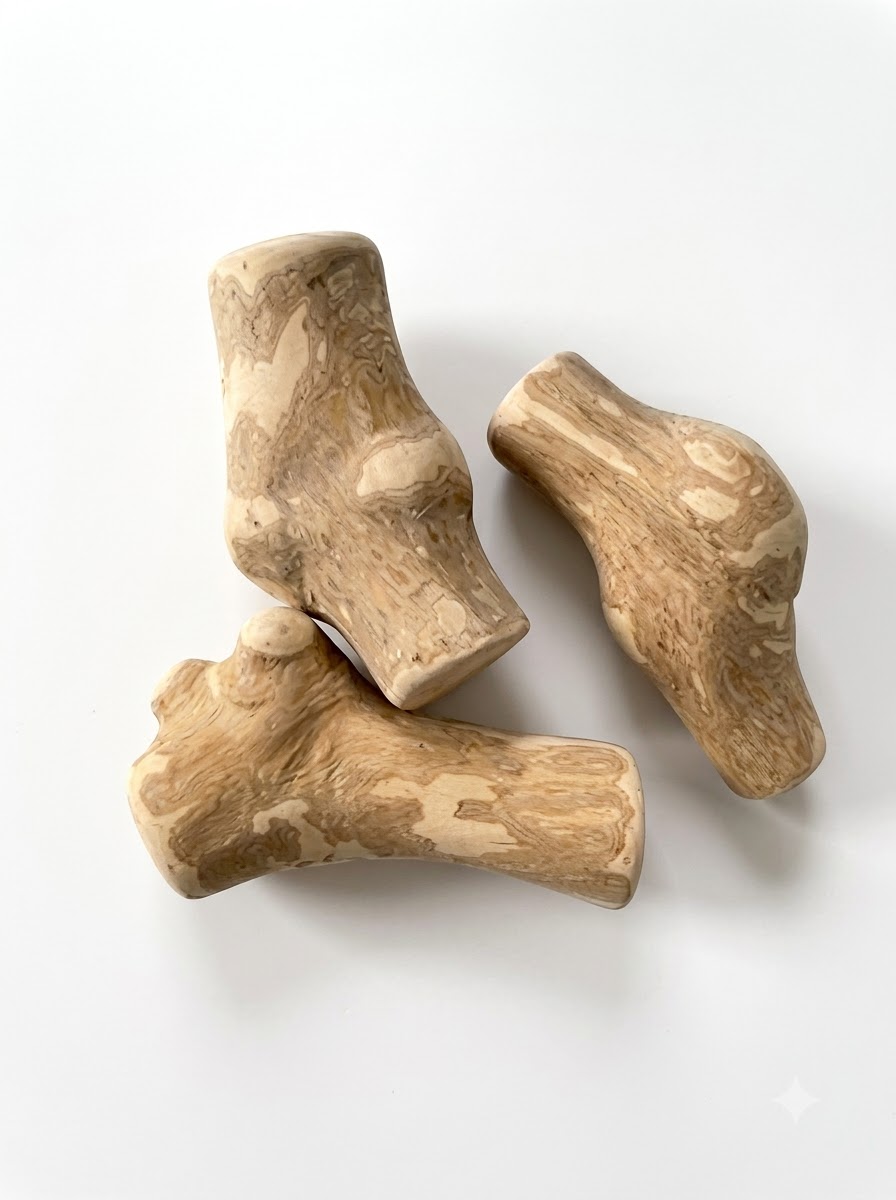
Gorilla Wood Chew
Dense, naturally contoured hardwood chew offered in three catalog sizes for supervised chewing.
Ask for current availability, packaging options, and a written quote.
Have Questions or Need a Wholesale Quote?
We export high-quality, pet-friendly coffee wood chews and natural toys worldwide.
Partner with us!
✨ Wholesale Pricing Available for Resellers & Business Partners!
We offer competitive wholesale prices and attractive deals for resellers and distributors.
💬 Feel free to message me directly to discuss pricing, partnership opportunities, and further details. Let's grow our businesses together! 🤝