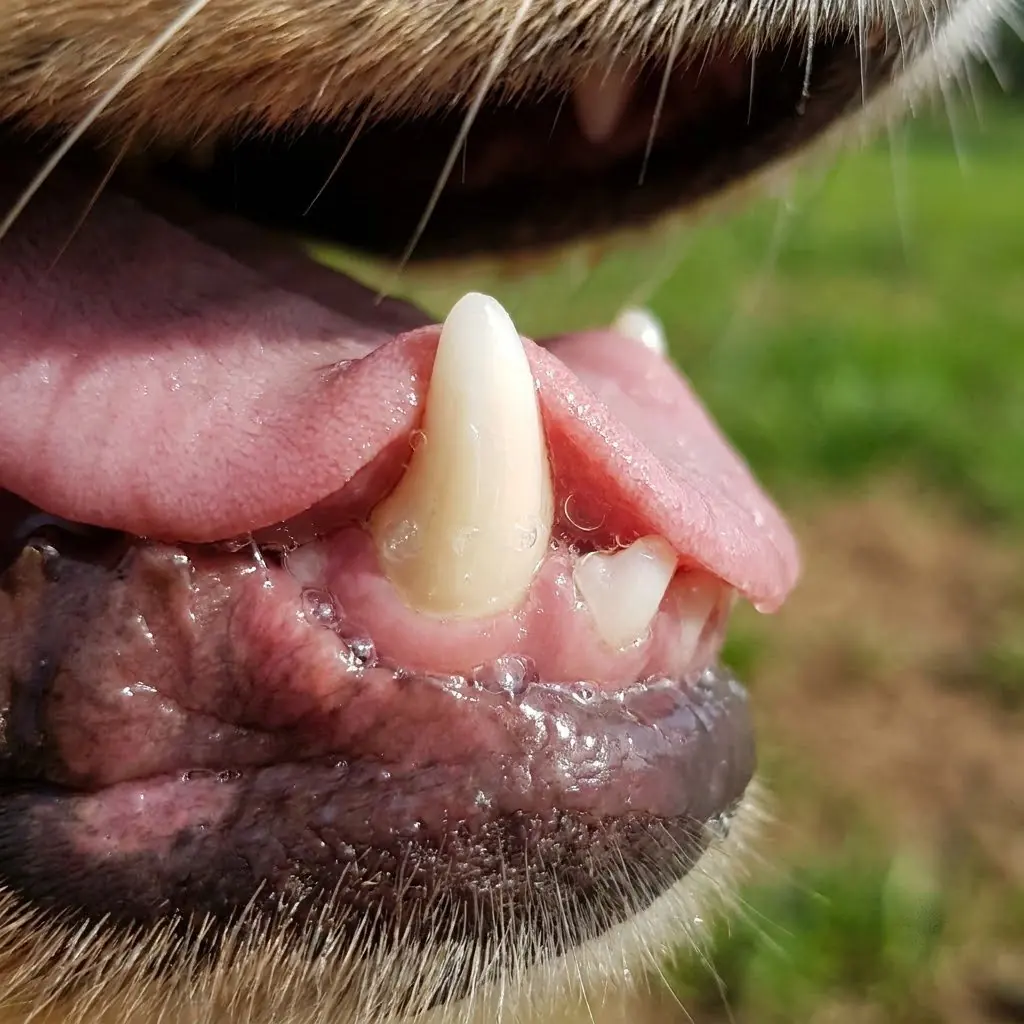
A gorilla wood dog chew is a dense, contoured wood chew intended for supervised gnawing. This guide explains the trade name, realistic benefits, selection checks, and the risks every owner should consider.
Key takeaways
- Gorilla wood is a product or trade description, not a botanical species. Confirm the actual wood and processing details with the seller.
- The main practical value is a dedicated, textured object for supervised chewing enrichment, not a proven dental treatment.
- Hardness, size, the individual dog's teeth, and chewing style matter more than a breed label alone.
- Inspect before and after every session and remove the chew if it cracks, forms sharp edges, sheds chunks, or becomes swallowable.
What is a gorilla wood dog chew?
A gorilla wood dog chew is generally sold as a short, thick, naturally contoured piece of dense wood for dogs that enjoy gnawing. The name describes a product style in the pet trade; it does not identify one universally agreed tree species, density, treatment, or manufacturing standard.
That distinction matters. Some listings use gorilla wood, java wood, root wood, and coffee wood as overlapping terms, while others describe different materials or cuts. Before buying, look for a specific material statement, country of origin, dimensions, care directions, and information about coatings or processing. Our catalog describes this product as dense contoured natural hardwood from Vietnam and offers three size ranges.
Natural variation is expected. Shape, grain, ridges, diameter, and weight may differ from piece to piece. Those differences are part of the product, but they also make individual inspection essential.
What are the realistic benefits?
The clearest benefit is behavioral enrichment: the chew gives an appropriate dog a dedicated object for a supervised chewing session. Its contoured surface offers different holding positions and tactile variety compared with a uniform molded toy.
Chewing creates mechanical contact between the material and tooth surfaces, but this should not be presented as prevention or treatment for dental disease. A gorilla wood chew does not replace tooth brushing, professional dental examinations, or a product with evidence reviewed for a specific dental claim.
It may also help an owner redirect interest away from household objects during a planned session. That is management, not a cure for anxiety or destructive behavior. Persistent behavior changes, mouth pain, or compulsive chewing deserve professional assessment.
Who may not be a good match?
A dense wood chew may be unsuitable for a dog with painful teeth, fractured teeth, advanced dental disease, recent oral surgery, or a history of breaking very hard objects. Puppies, older dogs, and dogs with known dental sensitivity need individual veterinary guidance rather than a general age rule.
It is also a poor match for a dog that bites down forcefully, breaks off large chunks, tries to swallow pieces, or guards objects in a way that makes safe removal difficult. No chew is appropriate for every dog, and no durable chew should be described as indestructible.
How to choose the first size
Start with the physical piece, not a breed chart. It should be too large to fit fully inside the dog's mouth and comfortable to hold without forcing the jaw into an awkward position. Then consider chewing force, dental history, age, and whether the dog gnaws gradually or tries to crush and swallow material.
Our current catalog lists Small at 8–12 cm long and 3–4 cm in diameter, Medium at 8–12 cm long and 4–5 cm in diameter, and Large at 10–15 cm long and 5–7 cm in diameter. These are product dimensions, not medical or breed prescriptions. If two sizes seem plausible, compare the actual dimensions with a familiar toy and ask a veterinarian about dental suitability.
A responsible first-session routine
Inspect the new chew in bright light. Do not offer a piece with a deep crack, sharp projection, contamination, or an unclear coating. Let the dog investigate it while you remain close enough to see how the dog uses the object.
Keep the first session brief and observe the chewing pattern. Gentle scraping and gradual surface wear differ from repeated forceful clamping or attempts to swallow the chew. Stop the session if you see bleeding, distress, gagging, large detached pieces, or a sudden change in the tooth or gum line.
After use, remove loose material, let the surface dry in a ventilated place, and inspect it again. Store it clean and dry. Recheck the size as the piece wears down rather than relying on how large it was when purchased.
What to verify before buying
A useful product page should identify the wood, origin, size ranges, intended use, inspection rules, and replacement triggers. For wholesale or private-label orders, request current written specifications for material, moisture targets if applicable, processing, packaging, traceability, and testing required by the destination market.
Avoid making a decision from broad words such as natural, eco-friendly, dental, or safe. Those terms do not tell you whether the dimensions fit your dog or whether the specific product has evidence for a health claim. Clear specifications and conservative use directions are more valuable than absolute promises.
Frequently asked questions
Is gorilla wood the same as coffee wood?
Not necessarily. Sellers use these trade terms inconsistently. Check the exact material statement for the product you are considering. Eco Pet Toys currently describes its Gorilla Wood Chew as dense contoured natural hardwood from Vietnam, not as a certified botanical species claim.
Can a dog use a gorilla wood chew without supervision?
No. Supervision lets you respond to cracking, sharp edges, detached pieces, forceful biting, gagging, or a chew that has become small enough to swallow.
Does a gorilla wood dog chew clean teeth?
Chewing creates surface contact, but this product is not presented as a proven dental treatment and does not replace brushing or veterinary dental care. Look for a VOHC-accepted product when you need a substantiated plaque or tartar claim.
How long does a gorilla wood chew last?
There is no reliable universal duration. Wear depends on the individual dog, session length, wood variation, storage, and chewing style. Condition is a better replacement signal than days or weeks of use.
Editorial sources
External references support the general safety and dental-care guidance in this article. Product dimensions and material descriptions come from the Eco Pet Toys catalog.
- AAHA: Don't Chew on This: Veterinary guidance on chew hardness, tooth fracture, choking, and obstruction risks.
- ASPCA Position Statement on Dog Chews and Treats: Guidance on matching a chew to the individual dog and supervising every session.
- Veterinary Oral Health Council: Accepted Products: Products with reviewed evidence for specific plaque or tartar claims.
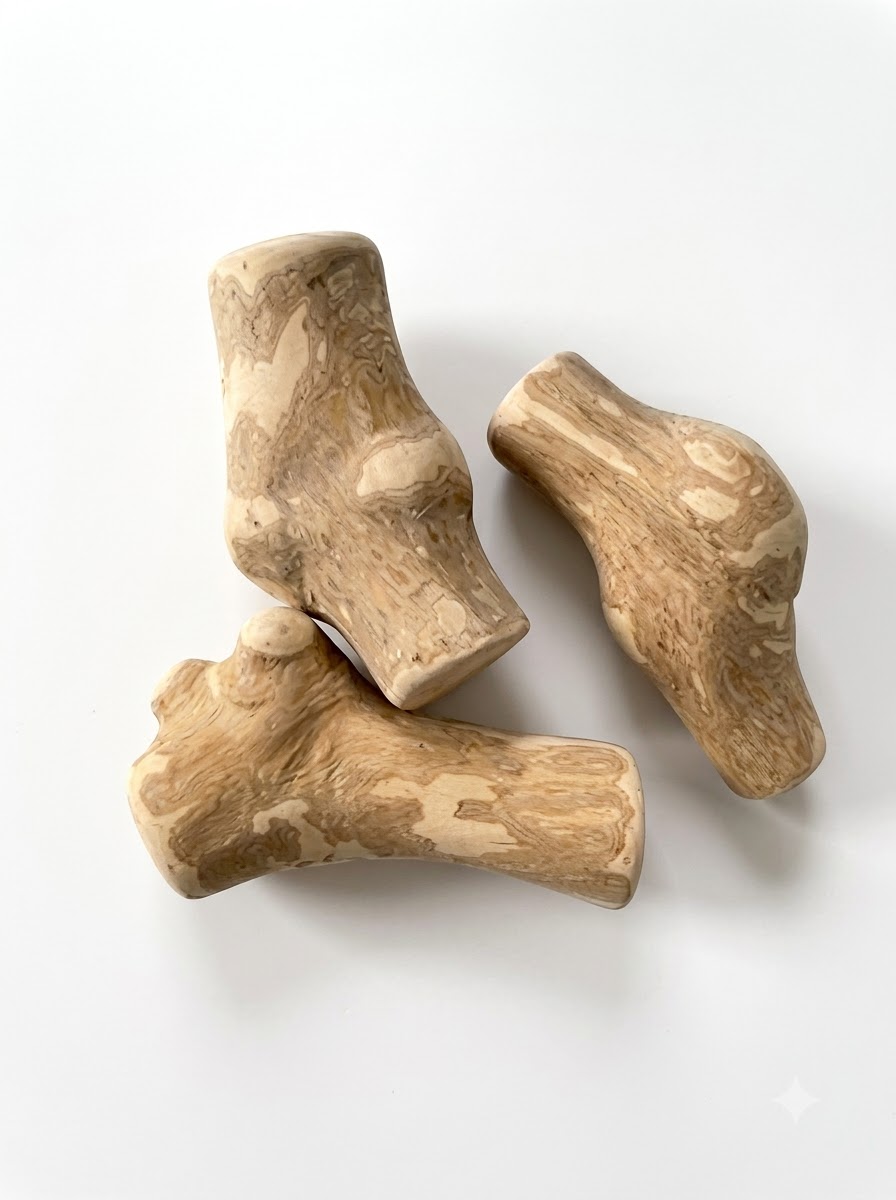
Gorilla Wood Chew
Dense, naturally contoured hardwood chew offered in three catalog sizes for supervised chewing.
Ask for current availability, packaging options, and a written quote.
Have Questions or Need a Wholesale Quote?
We export high-quality, pet-friendly coffee wood chews and natural toys worldwide.
Partner with us!
✨ Wholesale Pricing Available for Resellers & Business Partners!
We offer competitive wholesale prices and attractive deals for resellers and distributors.
💬 Feel free to message me directly to discuss pricing, partnership opportunities, and further details. Let's grow our businesses together! 🤝