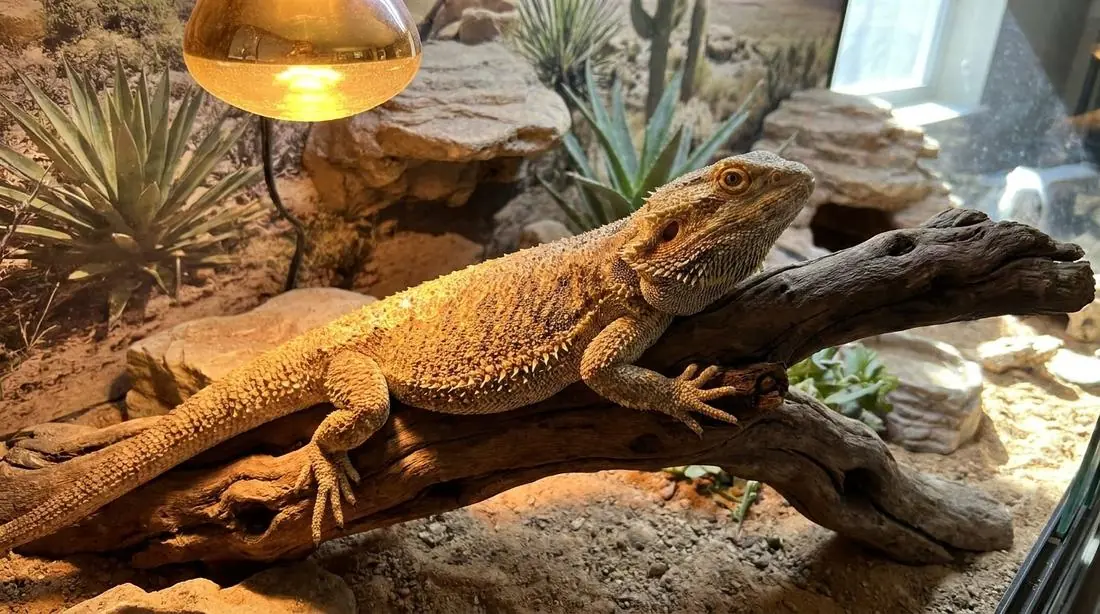
Caring for birds, rabbits, rodents, or reptiles? Explore veterinary insights on mold resistant terrarium wood and discover how natural coffee wood branches, cuttlebone, and loofah promote vitality.
Key takeaways
- Natural variations in coffee wood branch diameter exercise bird foot joints and prevent painful bumblefoot (pododermatitis).
- Constant incisor growth in lagomorphs and rodents requires daily gnawing on safe, pesticide-free hardwood to prevent malocclusion.
- Cuttlebone provides essential bioavailable calcium carbonate for egg-laying birds and reptile shell calcification.
- Kiln-cured coffee wood is free of toxic saps, pesticides, and insect borers found in wild outdoor branches.
Botanical Safety and Suitability for Exotic Pets
Small mammals, avian companions, and terrarium reptiles have delicate physiological systems. Exposure to cedar or pine phenols, toxic fruit tree saps (like cherry or plum), or chemical pesticide residues can trigger fatal toxicity.
Coffee wood branches from Vietnam are kiln-dried, completely stripped of exterior bark, and heat-treated. With zero caffeine in branch wood, they offer an inert, safe gnawing and climbing substrate.
Dental Wear and Pododermatitis Prevention
For rabbits, guinea pigs, and chinchillas, open-rooted hypsodont teeth grow continuously throughout life. Chewing fibrous coffee wood sticks produces essential horizontal grinding action, wearing incisors and molars naturally.
For birds, uniform dowel perches create constant pressure on identical foot pads, leading to ulcerative bumblefoot. Natural coffee wood perches offer organic contours and variable diameters that relieve foot strain and naturally blunt sharp talons.
Cleaning, Inspection and Maintenance
Wash wooden perches and chews periodically using warm water and animal-safe vinegar solution, allowing them to dry thoroughly in direct sunlight before returning to the enclosure.
Frequently asked questions
Is coffee wood safe for pet rabbits and guinea pigs?
Yes. Coffee wood is non-toxic, chemical-free, and contains no caffeine. It provides an ideal hardwood texture for wearing down continuously growing teeth.
Why are natural coffee wood perches better for birds than plain wooden dowels?
Plain dowels have a single uniform diameter that forces bird feet into a constant grip, frequently causing bumblefoot (pododermatitis). Coffee wood perches offer natural twists, bumps, and varying diameters that strengthen foot tendons.
How should cuttlebone be used for pet birds and reptiles?
Cuttlebone can be clipped inside bird cages with the soft chalky side facing inward for easy scraping. For tortoises and turtles, it can be floated in water or scraped over food as pure calcium.
Editorial sources
External references support the general safety and dental-care guidance in this article. Product dimensions and material descriptions come from the Eco Pet Toys catalog.
- AAHA: Canine Chewing Guidelines & Dental Health: Clinical veterinary recommendations on chew hardness, supervision, and oral pathology.
- Veterinary Oral Health Council (VOHC): Evidence-based protocols for canine plaque control and periodontal prophylaxis.
- ASPCA Animal Poison Control & Pet Safety: Material toxicology reports and foreign object ingestion prevention.
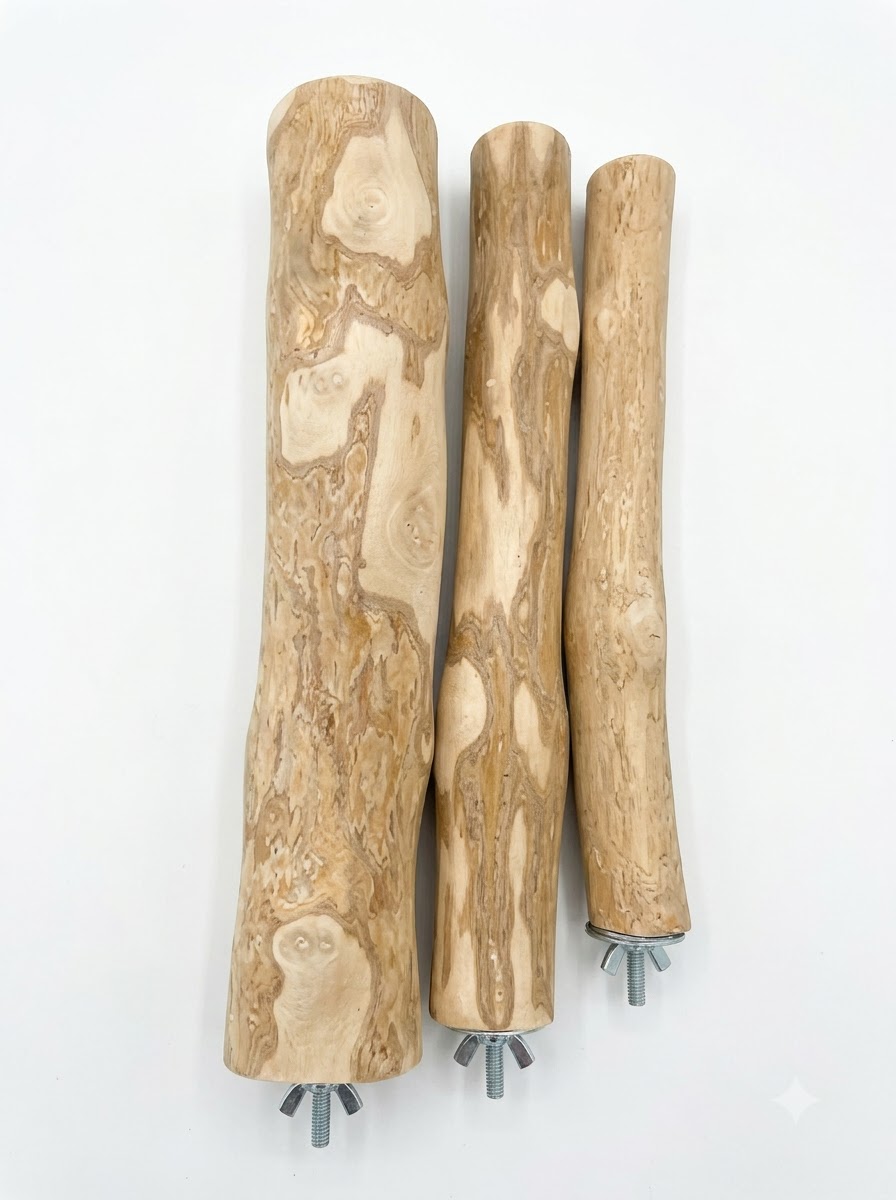
Coffee Wood Bird Perch
Natural bird perch made from reclaimed coffee wood. Irregular contours and diameter variations offer varied foot positions for pet birds.
Ask for current availability, packaging options, and a written quote.
Have Questions or Need a Wholesale Quote?
We export high-quality, pet-friendly coffee wood chews and natural toys worldwide.
Partner with us!
✨ Wholesale Pricing Available for Resellers & Business Partners!
We offer competitive wholesale prices and attractive deals for resellers and distributors.
💬 Feel free to message me directly to discuss pricing, partnership opportunities, and further details. Let's grow our businesses together! 🤝