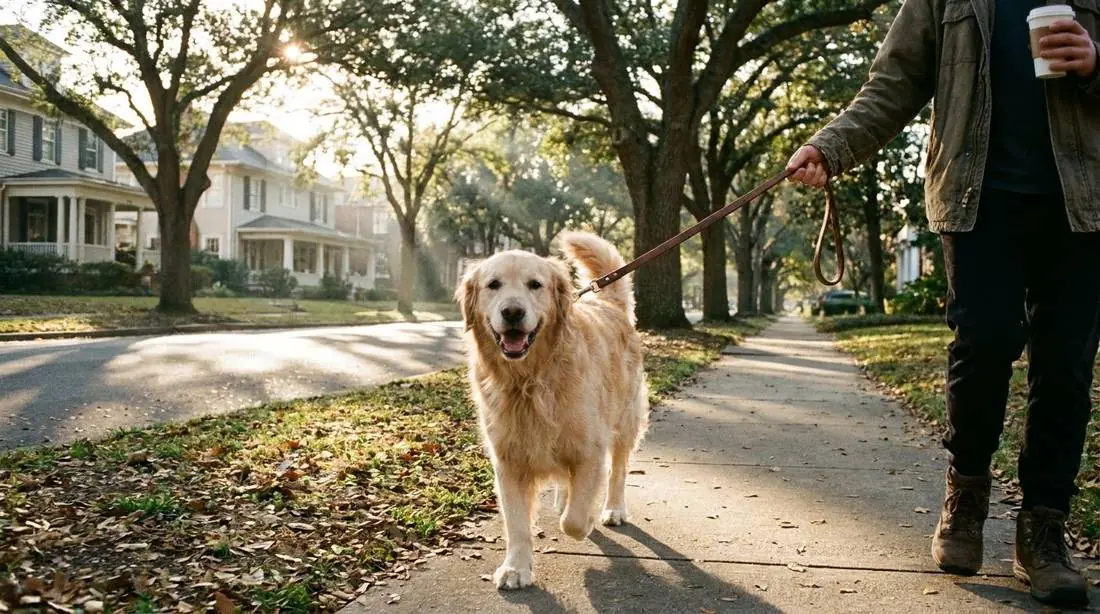
A single reactive episode on a walk floods a dog's bloodstream with cortisol for up to 72 hours. Learn how immediate chew therapy flushes adrenaline and resets behavior.
The Danger of 'Cortisol Stacking'
When a leash-reactive dog barks, lunges, or panics at another dog, their adrenal glands dump high levels of cortisol and epinephrine into the bloodstream. It can take up to 48 to 72 hours for these stress hormones to return to baseline.
If the dog encounters another trigger tomorrow, cortisol 'stacks' higher, making the dog increasingly irritable, jumpy, and prone to explosive reactions.
Immediate Post-Walk Chewing Therapy
The moment you return from an explosive walk, remove the leash and hand your dog a dense Gorilla Root Wood block or Size XL Coffee Wood stick.
Applying intense, focused jaw pressure stimulates the vagus nerve, initiating an immediate parasympathetic response that rapidly flushes active adrenaline from the bloodstream.
Preserving Calm in the Home
By purging the trigger's stress immediately through chew therapy, you prevent your dog from remaining on edge for the rest of the day, protecting your home peace and training progress.
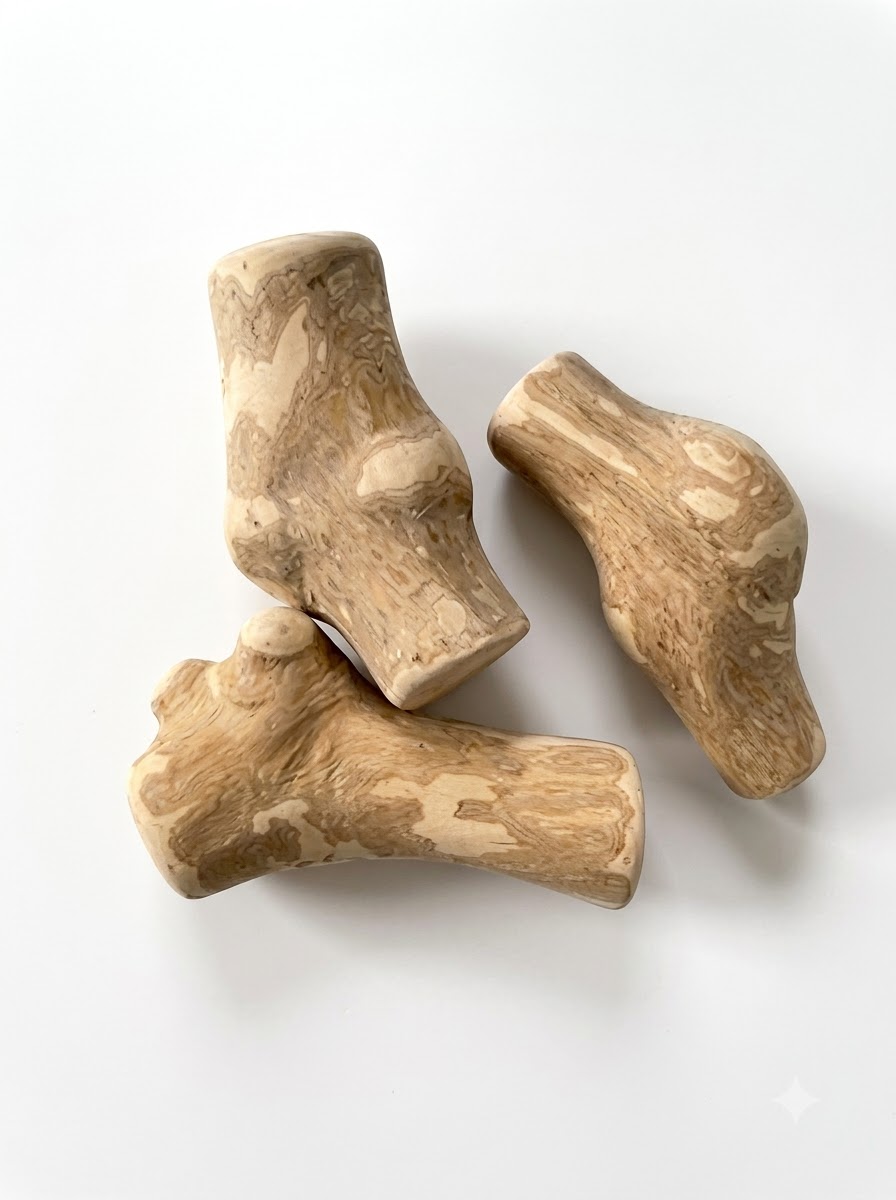
Gorilla Wood Chew
Dense, naturally contoured hardwood chew offered in three catalog sizes for supervised chewing.
Ask for current availability, packaging options, and a written quote.
Have Questions or Need a Wholesale Quote?
We export high-quality, pet-friendly coffee wood chews and natural toys worldwide.
Partner with us!
✨ Wholesale Pricing Available for Resellers & Business Partners!
We offer competitive wholesale prices and attractive deals for resellers and distributors.
💬 Feel free to message me directly to discuss pricing, partnership opportunities, and further details. Let's grow our businesses together! 🤝