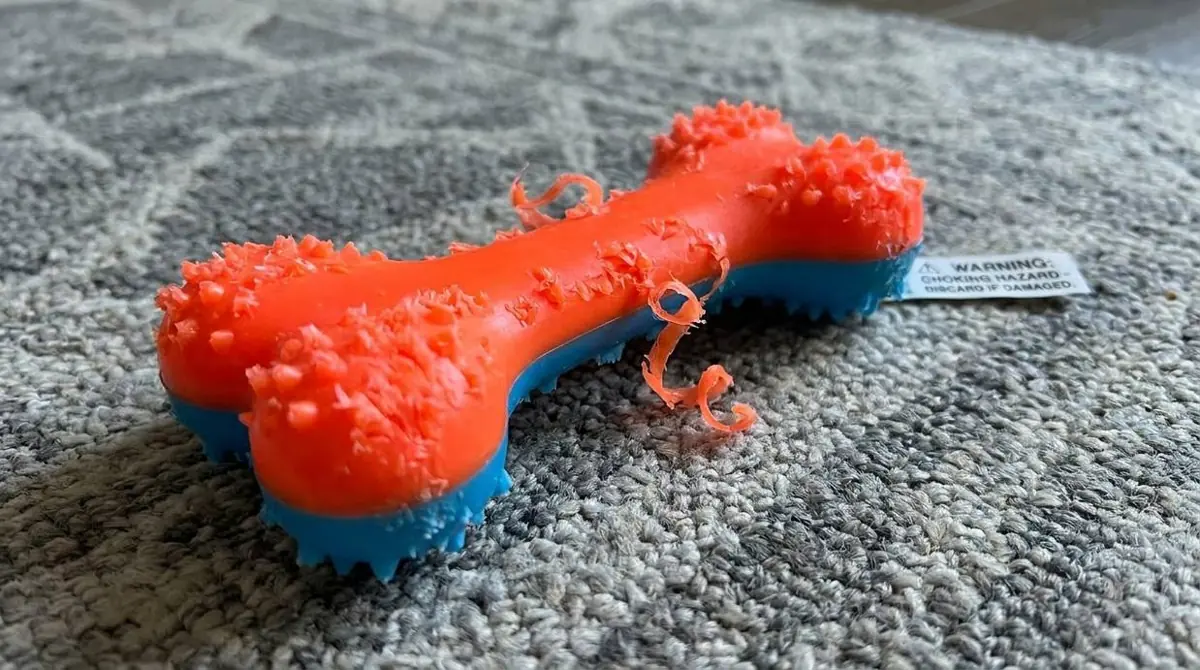
Pet chew toys inevitably get scraped and swallowed. Understand the radical difference between sharp synthetic plastic shards and soft, digestible vegetable cellulose.
The Reality of Toy Ingestion
No matter how durable a chew toy claims to be, powerful canine jaws will eventually shear off micro-particles. The critical question isn't whether particles will be swallowed—it is how the mammalian digestive tract reacts when they arrive.
The Hidden Hazard of Indigestible Nylon Plastics
Commercial synthetic bones are made from nylon, polyurethane, or thermoplastic elastomer (TPE). When chewed, these materials form sharp, jagged burrs. If swallowed, they cannot be dissolved by stomach acid, creating abrasive sandpaper that inflames intestinal mucosa and risks bowel blockages.
The Gentle Journey of Natural Plant Cellulose
In contrast, organic loofah and coconut fibers consist of 100% natural plant cellulose and lignin. Once swallowed, digestive enzymes and acidic gastric juices soften the fibrous matrices into pliable roughage that passes harmlessly through the stool, acting as gentle dietary bulk.
Have Questions or Need a Wholesale Quote?
We export high-quality, pet-friendly coffee wood chews and natural toys worldwide.
Partner with us!
✨ Wholesale Pricing Available for Resellers & Business Partners!
We offer competitive wholesale prices and attractive deals for resellers and distributors.
💬 Feel free to message me directly to discuss pricing, partnership opportunities, and further details. Let's grow our businesses together! 🤝