Ever wonder why coffee wood doesn't splinter into sharp shards like normal sticks? Explore the botanical cell structure and saliva interaction that makes it uniquely safe.
Botanical Differences: Coffee Tree vs. Deciduous Forest Trees
Normal backyard branches (oak, pine, maple) feature long, straight vascular grain lines. When a dog bites down along the grain, long, needle-sharp splinters fracture off easily, posing severe puncture hazards.
Coffea canephora (Robusta coffee wood) grows in a slow, twisted, cross-woven grain pattern. Its lignin-cellulose matrix is remarkably dense and interlocking, preventing linear fracturing.
The Role of Canine Saliva and Friction
Canine saliva has a slightly alkaline pH (around 7.5 to 8.0) and contains high concentrations of water, mucins, and electrolytes. When a dog gnaws on coffee wood, friction and saliva saturate the outer surface.
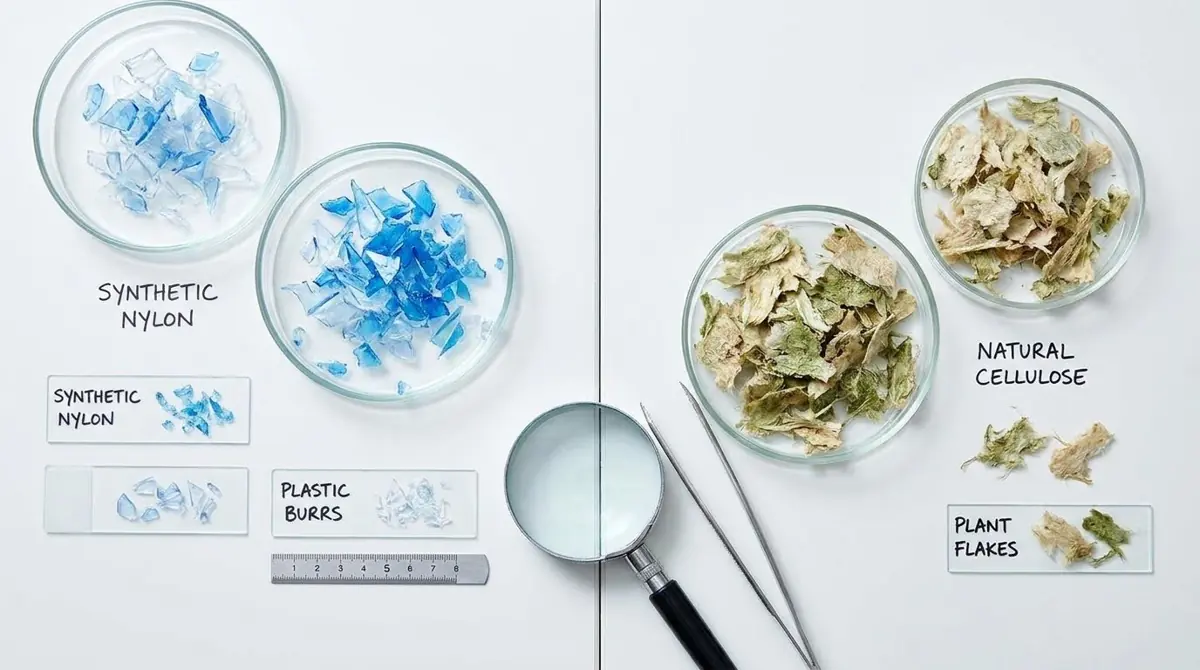
This moisture weakens the hydrogen bonds between outer cellulose strands. Instead of snapping, the surface layer gently frays into soft, spongy cellulose micro-flakes that resemble wet paper pulp.
Digestive Transit of Ingested Micro-Cellulose
Swallowed cellulose micro-flakes cannot puncture stomach or intestinal lining. They transit through the canine digestive system as insoluble dietary roughage, absorbing water and adding healthy bulk to stool.

Coffee Wood Chew Stick
Dense coffee wood chew made from branches collected during routine pruning in Vietnam's Central Highlands. Available in six sizes for supervised chewing.
Ask for current availability, packaging options, and a written quote.
Have Questions or Need a Wholesale Quote?
We export high-quality, pet-friendly coffee wood chews and natural toys worldwide.
Partner with us!
✨ Wholesale Pricing Available for Resellers & Business Partners!
We offer competitive wholesale prices and attractive deals for resellers and distributors.
💬 Feel free to message me directly to discuss pricing, partnership opportunities, and further details. Let's grow our businesses together! 🤝