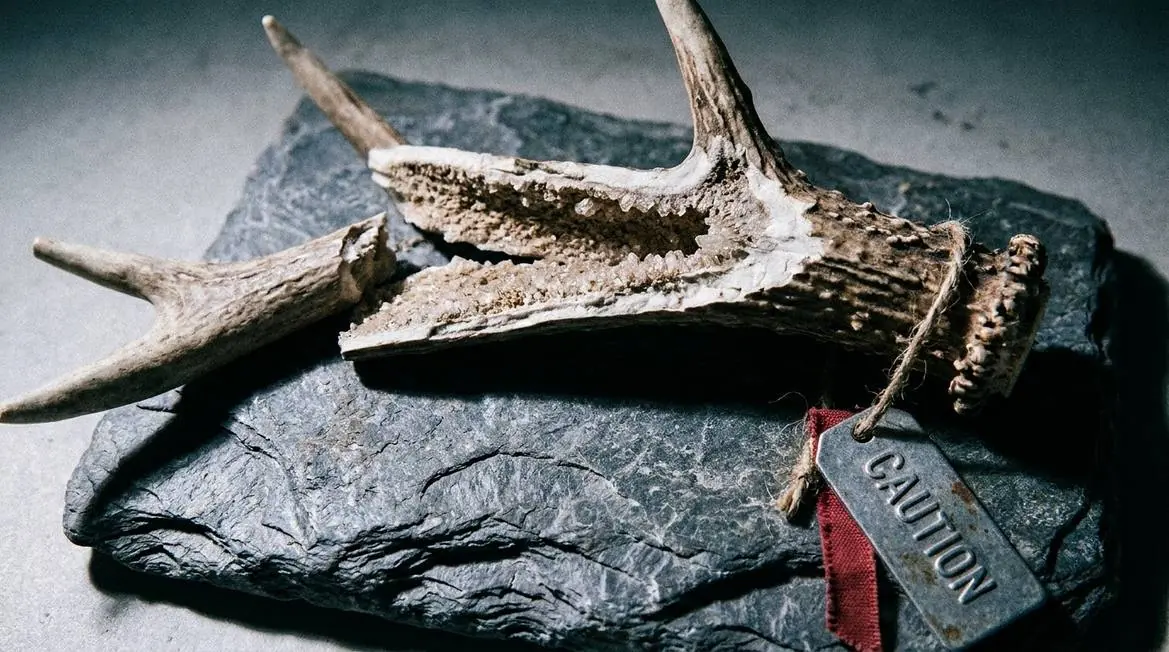
Antlers are infamous for causing expensive broken canine teeth. Learn how dense, swirled gorilla root wood provides comparable durability with zero dental danger.
The Allure and Danger of Split Elk Antlers
Pet parents of aggressive chewers frequently buy split elk antlers because they promise months of durability. However, antler bone is calcified, rigid, and unyielding.
When a power-jawed dog bites down with 300+ PSI, the tooth enamel frequently gives way before the antler does, causing painful slab fractures and requiring expensive veterinary surgery.
The Multi-Directional Swirl Grain of Root Wood
Gorilla Wood is harvested from mature, dense tree root knots. Unlike straight branch grain that can split linearly, root wood features a complex, interlocking multi-directional grain pattern.
This natural structure prevents splitting while allowing microscopic yielding under intense bite force, absorbing jaw pressure safely.
Odorless, Marrow-Free Cleanliness
Split antlers expose marrow that dries, cracks, and can harbor bacteria if contaminated. Gorilla Wood is pure, sanitized hardwood that never spoils, smells, or stains carpets.
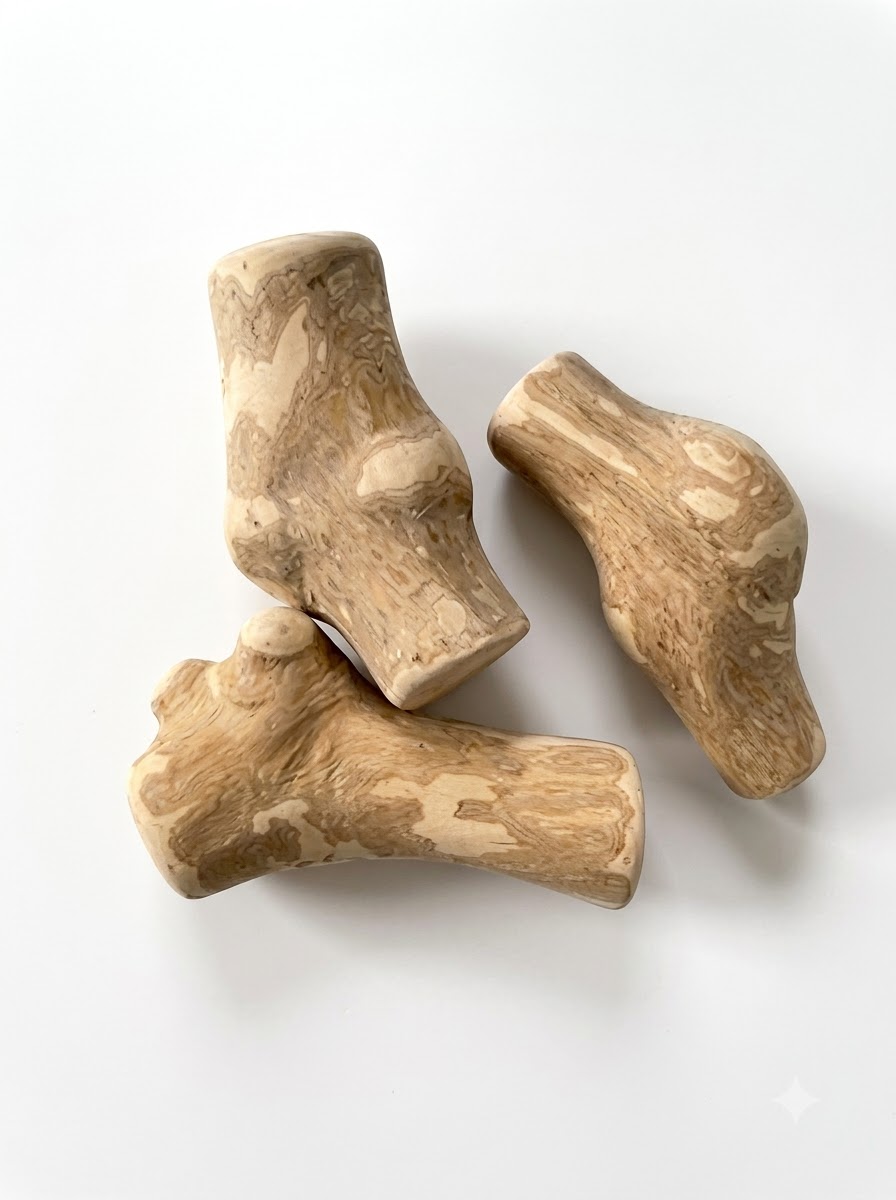
Gorilla Wood Chew
Dense, naturally contoured hardwood chew offered in three catalog sizes for supervised chewing.
Ask for current availability, packaging options, and a written quote.
Have Questions or Need a Wholesale Quote?
We export high-quality, pet-friendly coffee wood chews and natural toys worldwide.
Partner with us!
✨ Wholesale Pricing Available for Resellers & Business Partners!
We offer competitive wholesale prices and attractive deals for resellers and distributors.
💬 Feel free to message me directly to discuss pricing, partnership opportunities, and further details. Let's grow our businesses together! 🤝