Over 60% of feline lower urinary tract cases are driven by emotional distress rather than bacterial infection. Learn how daily play lowers bladder-stress pathways.
The Brain-Bladder Connection in Anxious Cats
Feline Idiopathic Cystitis (FIC) is a neuroendocrine disorder where sympathetic nervous system hyperactivity causes the brain to release inflammatory neuropeptides into bladder tissue. The protective glycosaminoglycan (GAG) bladder layer breaks down, causing painful sterile inflammation.
Owners often suspect a bacterial UTI, but veterinary diagnostics repeatedly show sterile urine triggered purely by emotional tension, routine changes, or household noise.
Why Punishment Worsens Urinary Flare-ups
Scolding a cat for urinating on rugs or laundry spikes adrenaline, locking the cat into an acute panic cycle that exacerbates bladder spasms.
The litter box is avoided because the cat associates the physical box location with sudden shooting pelvic pain experienced during a spasm.
De-escalating FIC Through Predatory Decompression
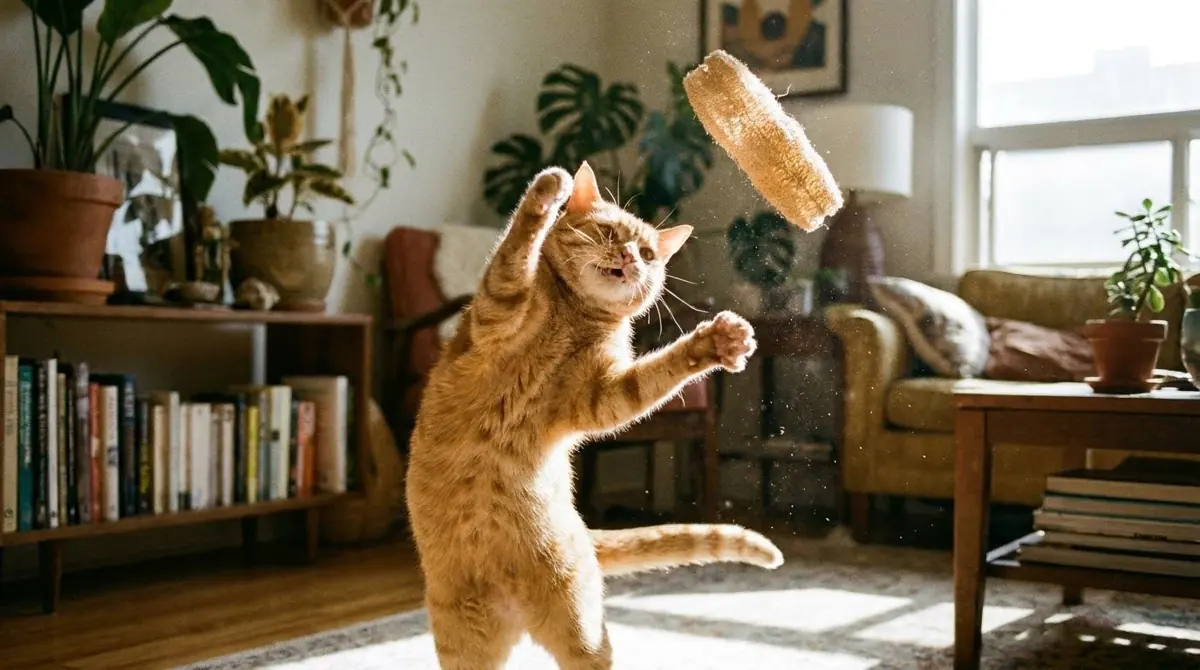
Veterinary feline specialists prescribe 'environmental modification': multiple clean litter boxes, elevated perches, and two 10-minute daily predatory play sessions. Tossing lightweight loofah toys engages hunting dopamine, dissipating sympathetic nervous tension before it reaches the urinary tract.
Have Questions or Need a Wholesale Quote?
We export high-quality, pet-friendly coffee wood chews and natural toys worldwide.
Partner with us!
✨ Wholesale Pricing Available for Resellers & Business Partners!
We offer competitive wholesale prices and attractive deals for resellers and distributors.
💬 Feel free to message me directly to discuss pricing, partnership opportunities, and further details. Let's grow our businesses together! 🤝